
The Top and the Leadership Tango
Jesse Segers, Ginkgo Consulting
In many organisations, the role of the middle manager is underestimated. However, the way senior management supports and guides these managers can make a significant difference to the organisation's success. If senior management holds a low opinion of middle managers, this will lead to low expectations and ultimately low performance from middle managers. This can create a vicious cycle of demotivation and mediocrity.
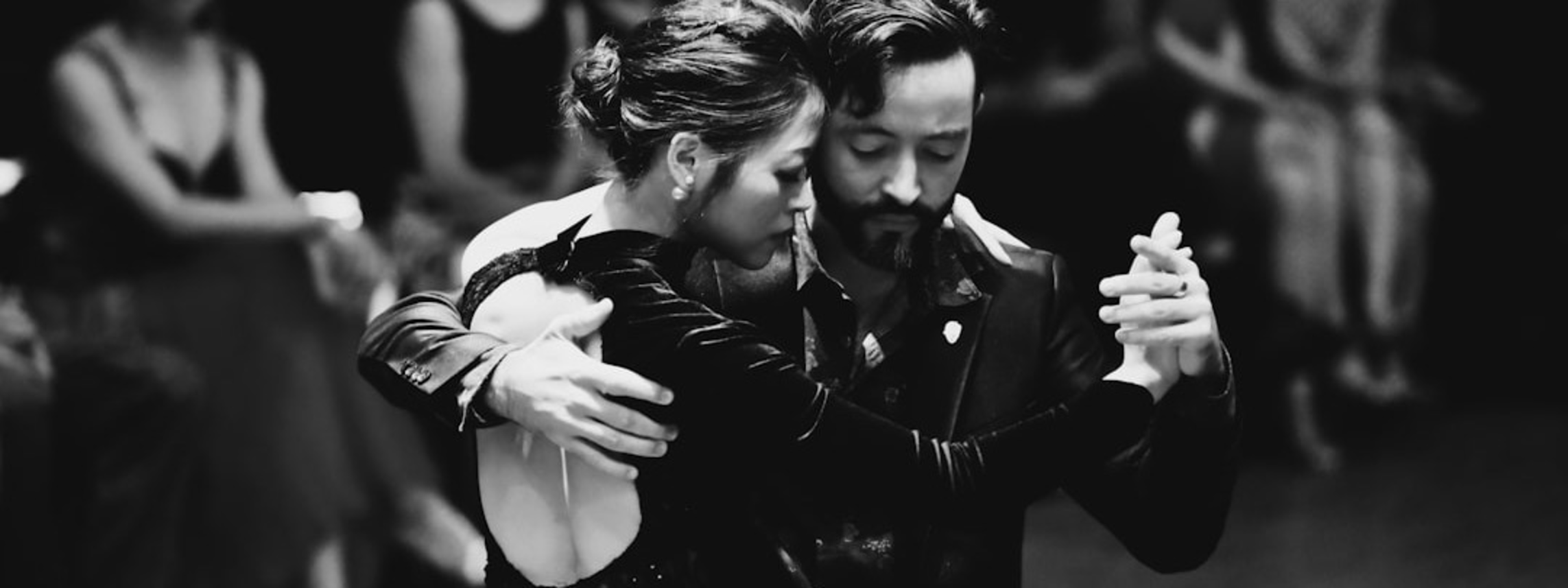
Leadership is a dance—a delicate choreography where every movement sets the tone for the rest of the organisation. In this dance, senior management plays a crucial role. But it is not a solo performance; it is a tango, a partnership between senior leaders and middle managers. At Ginkgo, we observe that much of an organisation’s leadership manifests—or fails—in this interplay. How can senior management lead this dance without stifling their partners in the middle?
The Role of Senior Management: Guardian of Psychological Safety
Senior management is not just a director of strategies but the custodian of psychological safety within the organisation. This requires a subtle balance—a dance that provides direction while leaving room for the unexpected and the unplanned. Middle managers need to feel safe to take risks, make mistakes, and grow. This sense of safety must not only be promised but embodied by senior leadership.
Creating Clear Expectations: The Music of the Tango
Every dance has its rhythm, its music. For middle managers, this music is the clarity and consistency of expectations. Senior management must craft these expectations around performance and innovation carefully—not as rigid frameworks but as melodies that invite middle managers to move in sync. This requires an ongoing dialogue, with feedback focused not just on performance but also on growth and development.
Empowerment: Freedom Within the Choreography
The leadership dance demands empowerment—the ability of senior management to loosen the reins without losing control. Middle managers must not simply be executors with adequate resources but co-choreographers in this dance. This means senior management must actively listen, provide space, and involve middle managers in strategic decision-making. Only then can the dance be harmonious and impactful.
The Evolving Role of the CEO: The Conductor of the Symphony
In modern organisations, the role of the CEO has shifted from soloist to conductor. It is no longer enough to set the tone; the CEO must unite the diverse voices within the organisation into a cohesive symphony. This requires a focus on creating meaningful work experiences, seeing the organisation not merely as an economic entity but as a socially relevant and impactful institution.
Conclusion
Senior management is at the centre of the leadership dance. But this dance can only succeed if the senior team performs its role with grace and care, acting as a partner who knows when to lead and when to follow. It is a delicate balance—a tango in which every step and every turn carries meaning. Only by dancing this tango attentively and respectfully can the organisation as a whole achieve significant improvement.